
Every body has a pelvis, and everybody should know what conditions may affect theirs. The pelvic floor acts as support for some of the most important parts of our anatomy, and that means that a lot can go wrong there. Male pelvic floor dysfunction occurs in millions of men globally, and it is important to understand that there are treatment options. The list of medical conditions varies by gender, so here’s an introduction to some of the issues men may experience in the pelvis.
Prostatitis
Prostatitis, or inflammation of the prostate, is one of the most common diagnoses for men who experience chronic pelvic pain. Up to 50% of men in the United States will experience prostatitis in their lifetime. Pelvic pain is very frequently misdiagnosed as prostatitis, so if a patient suffers from pelvic pain they should see a clinician who is familiar with the many potential causes of pelvic pain.
Read our post on prostatitis and pelvic pain, and find more information at the Prostatitis Foundation at https://www.prostatitis.org/.
Erectile Dysfunction
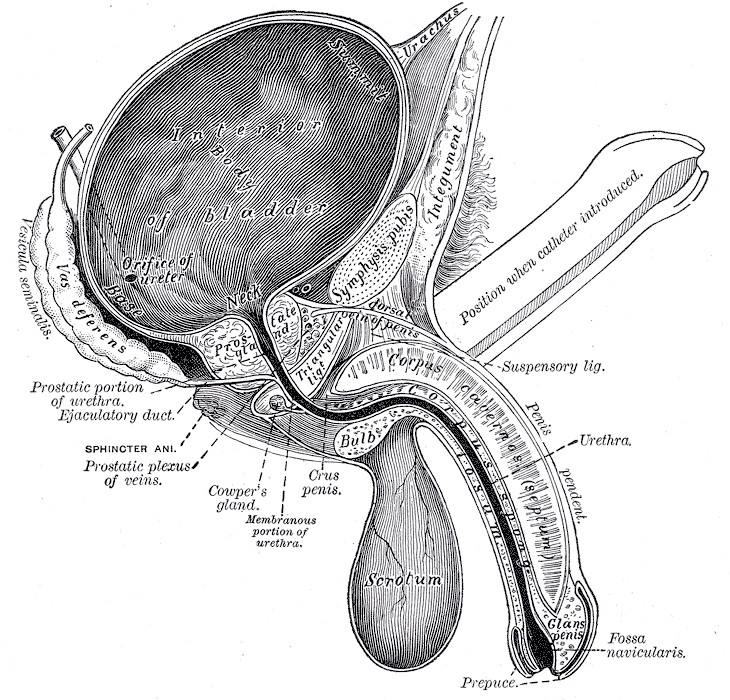
Erectile dysfunction is the condition when it is not possible to achieve and maintain an erection sufficient to engage in sexual activity. There are many potential causes of erectile dysfunction, and risk factors include cardiovascular health, obesity, substance abuse, psychological conditions, medication, injury, and surgical side effects. Through evaluative diagnosis procedures, a pelvic rehabilitation practitioner may be able to identify and treat the underlying dysfunction that causes this condition.
Those seeking more information can read the American Urological Association’s comprehensive article on erectile dysfunction, published in 2005.
Male Urinary Dysfunction
Urinary dysfunction in men can include post-prostatectomy incontinence, benign prostatic hypertrophy, urinary rentention, and post-micturition dribble. There are many potential causes of these conditions, often resulting in difficulty urinating, dripping after urination, inability to hold urine, etc. A pelvic rehabilitation clinician will need to diagnose the cause of this condition and then recommend a treatment approach.
Peyronie’s Disease
Peyronie’s Disease occurs in more than 200,000 men in the United States annually. It is characterized by curving in the penis during erections, often causing pain. The disorder happens when scarring between soft tissue reduces mobility, or when scar tissue forms in the soft tissue of the penis. Treatments can include medication and surgery, and a pelvic floor rehabilitation practitioner will likely be able to offer non-invasive treatment options as well.
The Urology Care Foundation has great information available on this condition and some treatment options.
Testicular & Scrotal Pain
Like other conditions, there are many potential causes of testicular pain, making it important to get an evaluation if you suffer from this condition. Potential causes include kidney stones, testicular cancer, varicoceles (inflamed veins), hernia, gangrene, nerve damage, urinary tract infections, and pharmacological side effects. With the help of physical examination, laboratory testing, or ultrasound imaging, a pelvic rehabilitation clinician can help to diagnose the underlying cause and determine the best treatment approach.
Find a men’s health physical therapist
If you are suffering any of these conditions, Pelvicrehab.com’s directory is a great way to find a men’s health PT who can help. Start your journey to health at www.pelvicrehab.com.
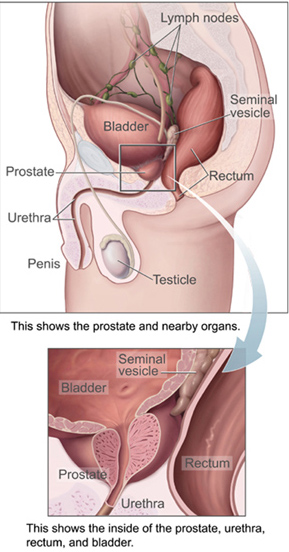 One big problem is that different conditions can express themselves in similar ways. Prostatitis can cause sexual dysfunction, difficult and painful urination, pain in the perineum, testicles, bladder, and penis. These symptoms may also be caused by a number of other conditions as well. Chronic Pelvic Pain Syndrome can be caused by muscle spasms. Bladder malfunction can be caused by interstitial cystitis. Erectile dysfunction may be related to hormone or testosterone imbalances.