Category Archives: Conditions

How Physical Therapy Can Help with Inflammatory Bowel Disease

Inflammatory bowel disease (IBD) affects 1.6 million Americans1, with as many as 70,000 new diagnoses each year. The cause is relatively unknown, though it is certainly related to an immune system deficiency. There are two conditions that are included in the IBD diagnosis; Crohn’s Disease and Ulcerative Colitis. Each condition impacts the body in different ways, and both can be treated by a well-trained pelvic rehabilitation practitioner. Andrea Wood, PT, DPT, WCS, PRPC explains more in her recent post on The Pelvic Rehab Report.

Source: Wikimedia

A colon affected by ulcerative colitis

What are the symptoms of Inflammatory Bowel Disease?

According to Dr. Wood, “common complications experienced by patients with IBD include fecal incontinence, fecal urgency, night time soiling, urinary incontinence, abdominal pain, hip and core weakness, pelvic pain, fatigue, osteoporosis, and sarcopenia.”

What is the difference between Crohn’s Disease and Ulcerative Colitis?

While either condition is considered Inflammatory Bowel Disease, there are some differences between the two. Ulcerative Colitis affects the innermost lining of the colon exclusively, and it produces internal ulcers and open sores. Patients with Ulcerative Colitis will have inflammation and tissue damage throughout the inner lining of the colon.

Crohn’s Disease is a chronic inflammation anywhere in the digestive tract, though it most commonly impacts the bowel and colon. The bowel wall will be affected, and patients may experience patches of inflamed intestine interspersed with healthy areas of the intestine.

Both conditions can be life-altering for patients who suffer from them.

Can Inflammatory Bowel Disease be treated?

The cause of IBD may not be known, but the symptoms certainly are. A skilled pelvic rehabilitation practitioner, like a Pelvic Floor Physical Therapist, can help patients overcome symptoms like fecal incontinence, urinary urgency, sarcopenia, fatigue, or pelvic pain. According to Dr. Wood, these are some of the treatments that an IBD patient might be offered in her clinic:

Fecal Incontinence
– Identify primary cause
– Apply manual therapy
– Biofeedback training to improve rectal pelvic floor muscle endurance and strength
– Instruct in proper toileting posture and techniques
– Rectal balloon training to better understand fecal urgency
Urinary Incontinence– Urge suppression techniques
– Bladder diaries and voiding intervals
– Decrease usage of bladder irritants
Sarcopenia– Weight training
– Abdominal training that doesn’t increase intra-abdominal pressure
Fatigue– Short bursts of cardiovascular exercise
– Training in proper bowel movement timing to improve sleep
– Diet and nutrition recommendations to improve sleep
Pelvic Pain– Manual therapy externally and internally if needed
– Home yoga program instruction
– Meditation instruction

Where can I find help?

Our directory of pelvic rehabilitation professionals can help you find a pelvic floor specialist today. Visit www.pelvicrehab.com to find a pelvic health practitioner near you, and get treatment for conditions like Inflammatory Bowel Disease.


1. Crohn’s and Colitis Foundation. 2019. What is Crohn’s Disease. Retrieved from: http://www.crohnscolitisfoundation.org/what-are-crohns-and-colitis/what-is-crohns-disease/

New Film on Vaginismus Helps Raise Awareness of Pelvic Pain

Tightly Wound, a new short film about one woman’s journey with vaginismus and pelvic rehab, gives an insight into the real social struggles that can beset sufferers of pelvic pain. The 10 minute animated film was created by Shelby Hadden and Sebastian Bisbal, and it can be viewed at www.tightlywoundfilm.com.

Vaginismus is a condition in which the vaginal muscles contract involuntarily. The muscle contraction makes it impossible to insert anything into the vagina, and the condition can have a number of causes. Shelby discovered that she suffers from this condition when she first started attempting to use tampons. In the film she describes a “tearing, stabbing pain; the worst pain I’ve ever had”.

When Shelby Hadden found herself seeking treatment, she might have expected a gynecologist to be able to clear things up right away. Unfortunately there was no clear solution to her pain. She tells us in the video that a number of doctors weren’t able to identify the cause of her vaginismus. Many even prescribed unsuccessful treatments like inserting small candles during menses, or using alcohol to loosen her muscles.

Vaginismus and Pelvic Floor Dysfunction

The scientific and medical community do not have a great grasp on vaginismus and female sexual pain disorders quite yet. A 2014 literature review published in the journal Current Opinion in Psychiatry by Simonelli et al. “did not provide clear evidence in support of the superiority of any treatment” and established that there is a need for more placedo-controlled trials. “A lot of work remained to be done to understand such a complex and multifaceted disturbance as genital sexual pain, but the articles examined showed that we are slowly adding more knowledge on the etiological cause and treatment models for such conditions.”

Women who suffer from vaginismus can often feel isolated. A 2018 study by Stout, Meints, and Hirsh published in the Archives of Sexual Behavior demonstrated that “more frequent and severe pain during intercourse leads to more loneliness, which then leads to increased depressive symptoms.” The authors show that women with pain during intercourse also experience higher rates of loneliness and depressive symptoms. This study suggests that having a sense of community is an important factor in patient care.

Creating a sense of community

That’s one reason that so many pelvic rehab professionals are excited to see this new film raising awareness of the condition. Upon it’s recent publication, Tightly Wound has been getting rave reviews from patients and clinicians around social media.

A review by Talli Rosenbaum, who is an active researcher and lecturer in the field of pelvic floor dysfunction and sexual health, shares what some of her patients experience. Talli writes that “[Tightly Wound] reflects the experience of many women with vaginismus and other forms of pelvic and vaginal pain syndromes. They feel isolated and alone, they are offered treatment solutions that are painful and embarrassing, and they frequently expose themselves to distressing and painful examinations only to be told by the examining practitioner that he or she can’t find anything wrong.” Talli’s excellent review goes on to address the role of vaginal penetration in sex and sexuality, which is definitely worth a read at tallirosenbaum.com.

Vaginismus impacts millions of women around the world, and many don’t know that treatment is an option. Women’s health support groups can help patients share resources and link up with adequately trained medical professionals. Online groups like the Vaginismus Support Facebook group are a great place to start for patients seeking peer support.

Thank you to Shelby for telling her story, and for helping to raise awareness of pelvic pain conditions.

Need to find a pelvic rehab practitioner?

Our index of pelvic rehab physical therapists and other professionals will help patients get treatment for conditions like vaginismus. Visit www.pelvicrehab.com to find a pelvic rehab practitioner near you.


Can Pelvic Rehab Physical Therapy Help Dysmenorrhea?

dysmenorrhea, menstrual crampsDysmenorrhea is the condition of having pain with menstruation, and it affects more than 50% of women. Painful menstrual cramps can last 1-2 days with menses every month, and some women may not experience menstrual pain later in life. Dysmenorrhea can be either primary or secondary, depending on the likely cause and symptoms of the condition. Either form of dysmenorrhea can be treated, though treatments will vary depending on the root cause of the problem
Primary Dysmenorrhea

Primary dysmenorrhea is usually caused by chemicals called prostaglandins which come from the lining of the uterus, and are most prevalent on the first day of menstruation. As menstruation continues, prostaglandin levels decrease, and the pain that they cause begins to decrease.

Secondary Dysmenorrhea

Secondary dysmenorrhea is usually caused by a disorder in the reproductive system. Common associated disorders include; endometriosis, where uterine tissue forms outside the uterus; adenomyosis, where uterine tissue grows within the muscle walls; or fibroids, which are non-cancerous tumor-like growths that form in or around the uterus. Secondary dysmenorrhea may not occur until later in a woman’s life, and the pain tends to increase over time.

Pelvic Floor Rehab can Help Reduce Menstrual Pain

Dr. Holly Tanner, PT, DPT, MA, OCS, WCS, PRPC, LMP, BCB-PMD, CCI, writing in The Pelvic Rehab Report, assures us that there is hope for women suffering from dysmenorrhea.

A recent literature review asked if physiotherapy can help with symptoms of primary dysmenorrhea. Of the articles reviewed, 186 were chosen, and included a range of articles from descriptive, experimental studies to prospective, randomized controlled studies. A variety of interventions and approaches were included in the review, such as [transcutaneous electrical nerve stimulation], abdominal massage, acupuncture, cryotherapy and thermotherapy, connective tissue, Pilates, and belly dance. All of the approaches demonstrated some therapeutic benefit, either in response to the immediate application of the intervention, or up to a few months after the intervention was applied or instructed.

Find a Pelvic Rehab Practitioner

A pelvic rehab physical therapist will be able to diagnose dysmenorrhea via a pelvic exam or ultrasound, and can prescribe the best treatment options on a patient-by-patient basis. These specialists can help reduce or cure dysmenorrhea without the use of invasive surgeries, and they can also evaluate for any other disorders which may be complicating a patient’s condition.

Dysmenorrhea is painful and common, and most importantly it can be treated. Visit the pelvicrehab.com practitioner directory to find a pelvic rehab physical therapist who can help treat painful menstrual cramping.

Common Female Pelvic Floor Disorders

There are many conditions that can afflict the pelvis, pelvic floor muscles, and pelvic girdle. The following pelvic floor disorders affect hundreds of millions of women globally. As awareness of pelvic floor dysfunction continues to increase, the ability to find a pelvic rehab therapist becomes more important. This list is not comprehensive, and trained pelvic floor rehab therapists will be able to diagnose and treat conditions not listed here.

Diastasis Recti Abdominis

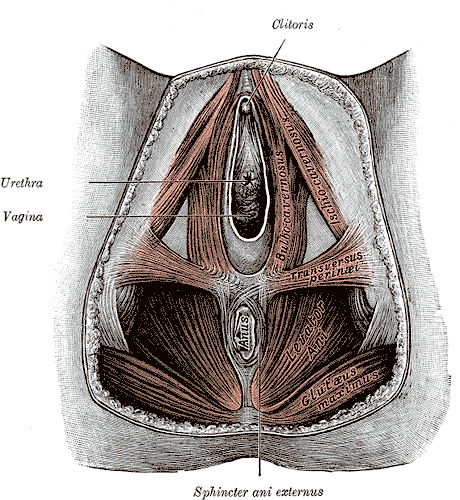
Female Pelvic Floor AnatomyOften colloquially called “mummy tummy”, “baby belly”, etc, diastasis recti abdominis occurs when the abdominal muscles are separated vertically, along what’s called the linea albia. Clinically you would be diagnosed with diastasis recti if you have more than 2cm of separation while doing a hook lying curl exercise.
Typically diastasis recti abdominis is the result of a growing fetus putting pressure on the abdominal muscles and causing them to separate. Of course, there are other ways that this type of pressure can happen, so we shouldn’t only associate the condition with pregnancy. While the majority of sufferers are postpartum women, DRA can also occur in men. It’s related to aging, weight fluctuations, weight lifting, or other circumstances that result in high pressure within the abdominal wall.

The condition is treatable, and women who experience diastasis recti abdominis can get pelvic rehab by finding a trained pelvic rehab practitioner.

For more, see our post “What’s the Deal with Mommy Tummy?” on The Pelvic Rehab Blog.

Vulvodynia

Vulvodynia is chronic pain in the vulva with an unknown cause. Vulvodynia can be localized to specific locations in the vulva, or it can be generalized pain that impacts the whole vulva and is more constant. Pain in the vulva can be caused by touch (prolonged sitting, tightly-fitted pants, touch, medical exams, etc.), or the pain can occur chronically without a direct stimulus.
The National Vulvodynia Association is an excellent resource for women suffering from this condition, and you can find treatment for vulvodynia on our practitioner directory on www.pelvicrehab.com.

Dyspareunia

Dyspareunia is the experience of pain while engaging in vaginal intercourse, and it occurs in at least 8% of American women by age 40. Some potential causes of vulvar pain can be infectious, inflammatory, neoplastic, neurologic, trauma, iatrogenic, or hormonal deficiencies. Vaginal pain during intercourse can be frequently misdiagnosed, making it important for women who suspect they may have dyspareunia to find a pelvic rehab practitioner who is trained to recognize the condition. More information is available in our post “Why is it hard to get treatment for painful sex?” on The Pelvic Rehab Blog.

Urinary Dysfunction

Female urinary incontinence (the unintentional loss of urine) is very common, and it is often associated with weak pelvic floor muscles. Stress Urinary Incontinence is leakage resulting from any physical activity. Oftentimes women experience leakage when coughing, sneezing, laughing, or participating in more rigorous physical activity like exercising.

Endometriosis

Endometriosis occurs when tissue that should line the inside of the uterus forms on the ovaries, fallopian tubes, and other areas outside of the uterus. Endometriosis can lead to inflammation, scar tissue and adhesion formation and myofascial dysfunction throughout the abdominal and pelvic regions, and it can cause infertility in some cases. It affects up to 15% of women of reproductive age, and the severity of symptoms can vary greatly. Because endometriosis can be difficult to diagnose, it is important to find a pelvic health practitioner who is trained to treat pelvic rehab conditions.

Dysmennorhea

Dysmennorhea is the condition of experiencing pain with menstruation, and it afflicts as much as 50% of reproductive age women. Primary dysmenorrhea is related to menstruation, and often begins within a short period of time once menses occurs, whereas secondary dysmenorrhea is often related to a condition within the reproductive tract such as endometriosis or fibroids. There is strong evidence that pain with menstruation can be diminished with pelvic rehabilitation, making it all the more important that patients are able to find a pelvic rehab clinician near them.

Male Pelvic Floor Disorders

Every body has a pelvis, and everybody should know what conditions may affect theirs. The pelvic floor acts as support for some of the most important parts of our anatomy, and that means that a lot can go wrong there. Male pelvic floor dysfunction occurs in millions of men globally, and it is important to understand that there are treatment options. The list of medical conditions varies by gender, so here’s an introduction to some of the issues men may experience in the pelvis.

Prostatitis

Prostatitis, or inflammation of the prostate, is one of the most common diagnoses for men who experience chronic pelvic pain. Up to 50% of men in the United States will experience prostatitis in their lifetime. Pelvic pain is very frequently misdiagnosed as prostatitis, so if a patient suffers from pelvic pain they should see a clinician who is familiar with the many potential causes of pelvic pain.

Read our post on prostatitis and pelvic pain, and find more information at the Prostatitis Foundation at https://www.prostatitis.org/.

Erectile Dysfunction

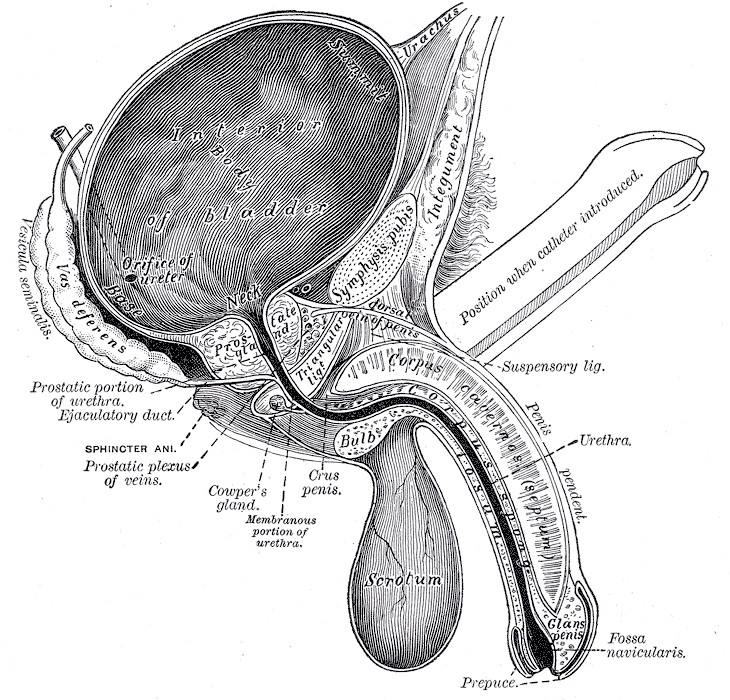
Anatomy of Male Pelvic Floor Disorders

Erectile dysfunction is the condition when it is not possible to achieve and maintain an erection sufficient to engage in sexual activity. There are many potential causes of erectile dysfunction, and risk factors include cardiovascular health, obesity, substance abuse, psychological conditions, medication, injury, and surgical side effects. Through evaluative diagnosis procedures, a pelvic rehabilitation practitioner may be able to identify and treat the underlying dysfunction that causes this condition.

Those seeking more information can read the American Urological Association’s comprehensive article on erectile dysfunction, published in 2005.

Male Urinary Dysfunction

Urinary dysfunction in men can include post-prostatectomy incontinence, benign prostatic hypertrophy, urinary rentention, and post-micturition dribble. There are many potential causes of these conditions, often resulting in difficulty urinating, dripping after urination, inability to hold urine, etc. A pelvic rehabilitation clinician will need to diagnose the cause of this condition and then recommend a treatment approach.

Peyronie’s Disease

Peyronie’s Disease occurs in more than 200,000 men in the United States annually. It is characterized by curving in the penis during erections, often causing pain. The disorder happens when scarring between soft tissue reduces mobility, or when scar tissue forms in the soft tissue of the penis. Treatments can include medication and surgery, and a pelvic floor rehabilitation practitioner will likely be able to offer non-invasive treatment options as well.

The Urology Care Foundation has great information available on this condition and some treatment options.

Testicular & Scrotal Pain

Like other conditions, there are many potential causes of testicular pain, making it important to get an evaluation if you suffer from this condition. Potential causes include kidney stones, testicular cancer, varicoceles (inflamed veins), hernia, gangrene, nerve damage, urinary tract infections, and pharmacological side effects. With the help of physical examination, laboratory testing, or ultrasound imaging, a pelvic rehabilitation clinician can help to diagnose the underlying cause and determine the best treatment approach.

Find a men’s health physical therapist

If you are suffering any of these conditions, Pelvicrehab.com’s directory is a great way to find a men’s health PT who can help. Start your journey to health at www.pelvicrehab.com.

Prostatitis or Pelvic Pain?

What is Prostatitis?

Prostatitis, the condition of having an inflamed prostate gland, is one of the most common diagnoses that men get when they suffer pelvic pain. According to the Prostatitis Foundation, “estimates on the number of males in the United States who will experience prostatitis during their lifetimes range up to 50 percent. Many urologic disease experts feel that from 5 to 10 percent of males will be experiencing prostatitis at a particular time, making it one of the most common urologic diseases in the U.S.”

Troublingly, this is often an inaccurate diagnosis.

Prostatitis is over-diagnosed

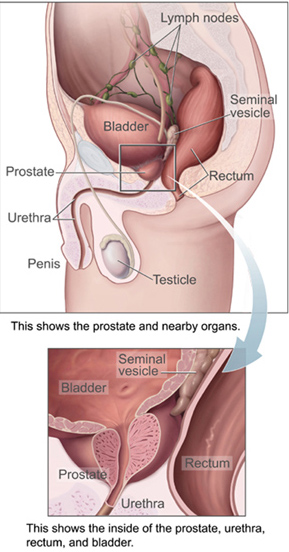
Prostate and Surrounding OrgansOne big problem is that different conditions can express themselves in similar ways. Prostatitis can cause sexual dysfunction, difficult and painful urination, pain in the perineum, testicles, bladder, and penis. These symptoms may also be caused by a number of other conditions as well. Chronic Pelvic Pain Syndrome can be caused by muscle spasms. Bladder malfunction can be caused by interstitial cystitis. Erectile dysfunction may be related to hormone or testosterone imbalances.

Yet some clinicians seem to be diagnosing prostatitis when the practitioner just doesn’t have a better answer. When there are many potential causes for pain, making the correct diagnosis becomes more difficult. As you might imagine, this can have some pretty nasty consequences. A hasty diagnosis can lead to treatments for a condition that the patient isn’t suffering from. It may not be surprising that those treatments can have negative side-effects that could have been avoided.

Since this condition can be caused by bacterial infections, antibiotics are one of the primary treatment options. One common family of antibiotics, fluoroquinolone, can have serious side effects. An FDA safety review has shown that fluoroquinolones are associated with disabling and potentially permanent serious side effects that can occur together.

According to the FDA safety announcement, “patients should contact your health care professional immediately if you experience any serious side effects while taking your fluoroquinolone medicine. Some signs and symptoms of serious side effects include tendon, joint and muscle pain, a “pins and needles” tingling or pricking sensation, confusion, and hallucinations. Patients should talk with your health care professional if you have any questions or concerns.” In other words, you only want to take these if you know they will help your pelvic pain.

So, what should you do?

If you have symptoms similar to those mentioned above, there is help and you should consult a medical professional right away. If your practitioner suggests that you may have prostatitis, double-check that the clinician has tested a sample of your urine and prostate fluid. It may also be helpful to have your level of prostate specific antigens (PSA) checked, as both prostatitis and prostate cancer can increase PSA levels.

If you are experiencing pelvic pain, you may want to go straight to the experts. Trained and certified pelvic rehabilitation practitioners may be better equipped to recognize the source of pelvic pain than a general practitioner. To find help near you, check our directory at www.pelvicrehab.com.


Sources and further reading:
https://www.prostatitis.org/
https://www.pcf.org/c/prostatitis-misdiagnosed-and-misunderstood/
https://www.fda.gov/Drugs/DrugSafety/DrugSafetyPodcasts/ucm503021.htm

Online Resources for Patient Research

Looking for more information on pelvic dysfunction? Here is a list of websites where you can research various conditions. When you are ready to seek treatment or meet with a medical practitioner, check out the directory.


Bowel Health & Dysfunction

checklist
International Foundation for Functional Gastrointestinal Disorders

http://www.iffgd.org

National Institute of Diabetes and Digestive Kidney Diseases

http://digestive.niddk.nih.gov/ddiseases/pubs/ibs/

American Neurogastroenterology and Motility Society

http://www.motilitysociety.org

The Rome Foundation

https://theromefoundation.org/


General Medical & Health websites

Web MD

http://www.webmd.com

Patient

https://patient.info/health

The Cleveland Clinic

http://my.clevelandclinic.org/default.aspx

Mayo Clinic

http://www.mayoclinic.com

Health Children

http://www.healthychildren.org/english/Pages/default.aspx

Johns Hopkins Medicine

http://www.hopkinsmedicine.org

Cochrane

http://www.cochrane.org

National Institutes of Health: Medline Plus

https://medlineplus.gov/healthtopics.html

Men’s Health Issues

Prostate Cancer  Foundation

https://www.pcf.org


Pelvic Floor Dysfunction

American College of Obstetricians and Gynecologists

http://www.acog.org

Agency for Healthcare Research and Quality

https://www.ahrq.gov/

American Urogynecologic Society

http://www.augs.org

Voices for PFD (Pelvic Floor Dysfunction)

http://www.voicesforpfd.org

International Urogynecological Association

http://www.iuga.org


Pelvic Pain

International Pelvic Pain Society

http://www.pelvicpain.org

National Vulvodynia Association

http://www.nva.org/index.html


Urinary Health & Dysfunction

National Institute of Diabetes and Digestive and Kidney Diseases

https://www.niddk.nih.gov/health-information/kidney-disease

Urology Care Foundation

http://www.urologyhealth.org

American Urological Association

http://www.auanet.org

European Association of Eurology

http://www.uroweb.org

Women’s Health Issues

American Physical Therapy Association – Section on Women’s Health

http://www.womenshealthapta.org

Office of Women’s Health – US Dept. of Health and Human Services

https://www.womenshealth.gov/


https://netforum.avectra.com/eWeb/StartPage.aspx?Site=ISSVD

What’s the deal with Mommy Tummy?

A condition called diastasis recti abdominis (“DRA”) afflicts millions of people globally every year. Studies differ on the exact number, but between 50% and 90% of all women who give birth wind up with diastasis recti.

What is diastasis recti?

Often colloquially called “mummy tummy”, “baby belly”, etc, DRA occurs when the abdominal muscles are separated vertically, along what’s called the linea albia. Clinically you would be diagnosed with diastasis recti if you have more than 2cm of separation while doing a hook lying curl exercise.
How does it happen?

Typically diastasis recti abdominis is the result of a growing fetus putting pressure on the abdominal muscles and causing them to separate. Of course, there are other ways that this type of pressure can happen, so we shouldn’t only associate the condition with pregnancy. While the majority of sufferers are postpartum women, DRA can also occur in men. It’s related to aging, weight fluctuations, weight lifting, or other circumstances that result in high pressure within the abdominal wall.

Should I get treatment?

Writing in The Pelvic Rehab Report, Dr. Ginger Garner highlights some of the complications that can come with DRA:

“Besides the obvious cosmetic and general strengthening concerns, why do we care about physical therapy care for a post-partum DRA? Spitznagle’s retrospective chart review of women presenting for gynecological care with a mean age of 52 found that 52% had DRA and 66% of them had a least one support-related pelvic floor muscle dysfunction. Those with DRA were more likely to have pelvic organ prolapse, urinary incontinence and fecal incontinence. Another study by Parker found a DRA prevalence of 74.4% among women with back or pelvic area pain who had delivered at least one child and sought [physical therapy]. They found a significant difference in pain levels in those with DRA and abdominal or pelvic pain compared to those without DRA.”

Where can I get help?

Think you may have diastasis recti abdominis? Want to put together a treatment plan? We know a few folks who can help. Check out the highly trained practitioners listed at www.pelvicrehab.com to find your local expert.

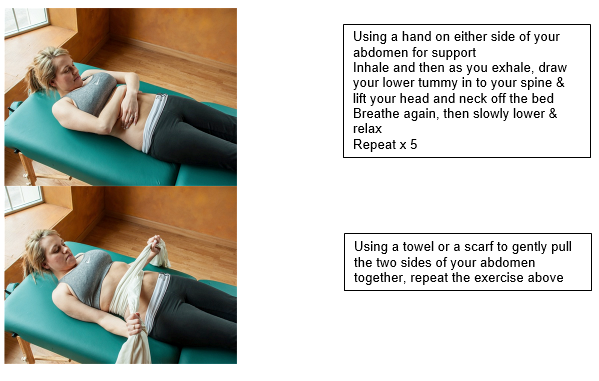
Can’t get to a clinician right away? Here’s an exercise you can try at home to try and improve DRA:

Diastasis Recti Exercise


Continue reading

When is Bedwetting a Problem?

When it comes to wetting the bed, it can be hard for parents to know when they should consult a pelvic rehab professional. Most of us have dealt with bedwetting one way or another, so it can be hard to identify when it goes from being a part of growing up to something more serious. Here are some quick facts:

  • Bedwetting affects 15% of girls and 22% of boys, or 5 – 7 Million US children
  • Boys are 50% more likely than girls to wet the bed
  • 10% of 6 year olds continue to wet
  • Spontaneous cure rate 15% per year thereafter
  • 1-3% of 18 year olds still wet their beds
  • The majority of bedwetting children also experience daytime “accidents” or constipation.
  • Bedwetting is genetic – if one parent was a bed wetter the child has a 40% chance of wetting the bed and if both parents were bedwetters the percentile goes up to 77%

It’s important to know that bedwetting is not behavioral; your kid isn’t lazy and they aren’t just trying to get attention. Sometimes it can be caused by hormone deficiency, sleep apnea, or issues with bowel incontinence. Let’s dive into that a bit.

The Effects of Anxiety and Stress

In a 2016 study, Salehi et al. found that children who wet the bed have a high frequency of generalized anxiety disorder as well as panic disorder, school phobia, social and separation anxieties, maternal anxiety, and a high body mass index.

Impacts of Bowel Difficulties

Dr. Steven Hodges has researched and written extensively on the topic of constipation causing pressure from the rectum against the bladder making it irritable during sleep. His research indicates that emptying the bowels regularly will reduce bedwetting. His book, “See It’s No Accident” is an excellent resource for parents looking for practical advice on children’s toileting issues.

Sleep Troubles

Dr. Neveus and colleagues reported that 43.5% of bedwetting children who also snore or have obstructive sleep apnea became dry after having their tonsils and adenoids removed (this operation is called an adenotonsillectomy).

Hormone Deficiency

Our bladders empty about every 2-3 hours during the day however at night we can hold for over 8 hours! This happens because our bodies produce an antidiuretic hormone when we sleep to slow kidney function and produce less urine to empty into the bladder. If this hormone is not being produced, the kidneys produce as much urine at night as they do during the day. In this case, it’s good that the bladder empties out in our sleep, otherwise our bladders would be dangerously large and possibly reflux urine backward into the kidneys. A synthetic hormone has been created, called Desmopressin acetate (DDAVP), that can be used to slow kidney function while we sleep. Bedwetting is a condition that affects millions of children throughout the world, and there is help available.

If your child is still wetting the bed by the age of 6, it’s time to consult a pediatric pelvic rehabilitation practitioner.


Continue reading

Why is it hard to get treatment for painful sex?

Painful sex isn’t normal

Millions of women experience pain during sex, and unfortunately society has a tendency to stigmatize it. Contrary to what some may have been told, it’s not in your head, and it has nothing to do with how much you care about your partner. Anybody can have a healthy, pain-free sex life, no matter your age.

In a February 2016 post on The Pelvic Rehab Report, pelvic rehab specialist Holly Tanner, DPT, PRPC observed the following:

“Unfortunately, one of the most common things we hear in pelvic rehab is ‘I hope you can help me, you’re my last hope’… How long did it take this patient to find her way to pelvic rehab? Research tells us that most women have been through multiple physicians, under- or misdiagnosed, and that many have failed attempts at intervention with medications or procedures.”

Dr. Tanner goes on to discuss how vulvar pain can affect a woman’s sex life. The condition of experiencing pain during intercourse is called dyspareunia, and those who suffer from it may have to face more than just the pain. A study by Nguyen et al., 2013 found that women who reported chronic pain were more likely to perceive being stereotyped by doctors and others. Interestingly, among the group of women who had chronic vulvar pain, the women who sought care for their condition reported feeling more stigmatized.

Consult a pelvic rehab professional

Estimates are that 8% of American women will suffer from dyspareunia by the age of 40, and at least half of those who seek treatment won’t be properly diagnosed. According to Dr. Tanner, factors that cause vulvar pain can be infectious, inflammatory, neoplastic, neurologic, trauma, iatrogenic, and hormonal deficiencies. Clearly it is essential to consult a medical practitioner who has an understanding of pelvic conditions like vulvodynia (vulvar pain lasting more than three months) and dyspareunia. If you need help, your first step is to look through our directory of pelvic rehabilitation practitioners.


References and further reading:
Arnold, L. D., Bachmann, G. A., Kelly, S., Rosen, R., & Rhoads, G. G. (2006). Vulvodynia: characteristics and associations with co-morbidities and quality of life. Obstetrics and gynecology, 107(3), 617.
Brotto, L. A., Yong, P., Smith, K. B., & Sadownik, L. A. (2015). Impact of a multidisciplinary vulvodynia program on sexual functioning and dyspareunia. The journal of sexual medicine, 12(1), 238-247.
Harlow, B. L., Kunitz, C. G., Nguyen, R. H., Rydell, S. A., Turner, R. M., & MacLehose, R. F. (2014). Prevalence of symptoms consistent with a diagnosis of vulvodynia: population-based estimates from 2 geographic regions. American journal of obstetrics and gynecology, 210(1), 40-e1.
Nguyen, R. H., Turner, R. M., Rydell, S. A., MacLehose, R. F., & Harlow, B. L. (2013). Perceived stereotyping and seeking care for chronic vulvar pain. Pain Medicine, 14(10), 1461-1467.