Tag Archives: Pelvic Pain

How Physical Therapy Can Help with Inflammatory Bowel Disease

Inflammatory bowel disease (IBD) affects 1.6 million Americans1, with as many as 70,000 new diagnoses each year. The cause is relatively unknown, though it is certainly related to an immune system deficiency. There are two conditions that are included in the IBD diagnosis; Crohn’s Disease and Ulcerative Colitis. Each condition impacts the body in different ways, and both can be treated by a well-trained pelvic rehabilitation practitioner. Andrea Wood, PT, DPT, WCS, PRPC explains more in her recent post on The Pelvic Rehab Report.

Source: Wikimedia

A colon affected by ulcerative colitis

What are the symptoms of Inflammatory Bowel Disease?

According to Dr. Wood, “common complications experienced by patients with IBD include fecal incontinence, fecal urgency, night time soiling, urinary incontinence, abdominal pain, hip and core weakness, pelvic pain, fatigue, osteoporosis, and sarcopenia.”

What is the difference between Crohn’s Disease and Ulcerative Colitis?

While either condition is considered Inflammatory Bowel Disease, there are some differences between the two. Ulcerative Colitis affects the innermost lining of the colon exclusively, and it produces internal ulcers and open sores. Patients with Ulcerative Colitis will have inflammation and tissue damage throughout the inner lining of the colon.

Crohn’s Disease is a chronic inflammation anywhere in the digestive tract, though it most commonly impacts the bowel and colon. The bowel wall will be affected, and patients may experience patches of inflamed intestine interspersed with healthy areas of the intestine.

Both conditions can be life-altering for patients who suffer from them.

Can Inflammatory Bowel Disease be treated?

The cause of IBD may not be known, but the symptoms certainly are. A skilled pelvic rehabilitation practitioner, like a Pelvic Floor Physical Therapist, can help patients overcome symptoms like fecal incontinence, urinary urgency, sarcopenia, fatigue, or pelvic pain. According to Dr. Wood, these are some of the treatments that an IBD patient might be offered in her clinic:

Fecal Incontinence
– Identify primary cause
– Apply manual therapy
– Biofeedback training to improve rectal pelvic floor muscle endurance and strength
– Instruct in proper toileting posture and techniques
– Rectal balloon training to better understand fecal urgency
Urinary Incontinence– Urge suppression techniques
– Bladder diaries and voiding intervals
– Decrease usage of bladder irritants
Sarcopenia– Weight training
– Abdominal training that doesn’t increase intra-abdominal pressure
Fatigue– Short bursts of cardiovascular exercise
– Training in proper bowel movement timing to improve sleep
– Diet and nutrition recommendations to improve sleep
Pelvic Pain– Manual therapy externally and internally if needed
– Home yoga program instruction
– Meditation instruction

Where can I find help?

Our directory of pelvic rehabilitation professionals can help you find a pelvic floor specialist today. Visit www.pelvicrehab.com to find a pelvic health practitioner near you, and get treatment for conditions like Inflammatory Bowel Disease.


1. Crohn’s and Colitis Foundation. 2019. What is Crohn’s Disease. Retrieved from: http://www.crohnscolitisfoundation.org/what-are-crohns-and-colitis/what-is-crohns-disease/
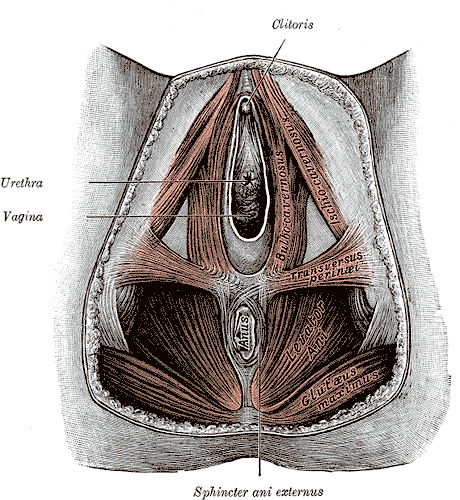
Common Female Pelvic Floor Disorders

There are many conditions that can afflict the pelvis, pelvic floor muscles, and pelvic girdle. The following pelvic floor disorders affect hundreds of millions of women globally. As awareness of pelvic floor dysfunction continues to increase, the ability to find a pelvic rehab therapist becomes more important. This list is not comprehensive, and trained pelvic floor rehab therapists will be able to diagnose and treat conditions not listed here.

Diastasis Recti Abdominis

Female Pelvic Floor AnatomyOften colloquially called “mummy tummy”, “baby belly”, etc, diastasis recti abdominis occurs when the abdominal muscles are separated vertically, along what’s called the linea albia. Clinically you would be diagnosed with diastasis recti if you have more than 2cm of separation while doing a hook lying curl exercise.
Typically diastasis recti abdominis is the result of a growing fetus putting pressure on the abdominal muscles and causing them to separate. Of course, there are other ways that this type of pressure can happen, so we shouldn’t only associate the condition with pregnancy. While the majority of sufferers are postpartum women, DRA can also occur in men. It’s related to aging, weight fluctuations, weight lifting, or other circumstances that result in high pressure within the abdominal wall.

The condition is treatable, and women who experience diastasis recti abdominis can get pelvic rehab by finding a trained pelvic rehab practitioner.

For more, see our post “What’s the Deal with Mommy Tummy?” on The Pelvic Rehab Blog.

Vulvodynia

Vulvodynia is chronic pain in the vulva with an unknown cause. Vulvodynia can be localized to specific locations in the vulva, or it can be generalized pain that impacts the whole vulva and is more constant. Pain in the vulva can be caused by touch (prolonged sitting, tightly-fitted pants, touch, medical exams, etc.), or the pain can occur chronically without a direct stimulus.
The National Vulvodynia Association is an excellent resource for women suffering from this condition, and you can find treatment for vulvodynia on our practitioner directory on www.pelvicrehab.com.

Dyspareunia

Dyspareunia is the experience of pain while engaging in vaginal intercourse, and it occurs in at least 8% of American women by age 40. Some potential causes of vulvar pain can be infectious, inflammatory, neoplastic, neurologic, trauma, iatrogenic, or hormonal deficiencies. Vaginal pain during intercourse can be frequently misdiagnosed, making it important for women who suspect they may have dyspareunia to find a pelvic rehab practitioner who is trained to recognize the condition. More information is available in our post “Why is it hard to get treatment for painful sex?” on The Pelvic Rehab Blog.

Urinary Dysfunction

Female urinary incontinence (the unintentional loss of urine) is very common, and it is often associated with weak pelvic floor muscles. Stress Urinary Incontinence is leakage resulting from any physical activity. Oftentimes women experience leakage when coughing, sneezing, laughing, or participating in more rigorous physical activity like exercising.

Endometriosis

Endometriosis occurs when tissue that should line the inside of the uterus forms on the ovaries, fallopian tubes, and other areas outside of the uterus. Endometriosis can lead to inflammation, scar tissue and adhesion formation and myofascial dysfunction throughout the abdominal and pelvic regions, and it can cause infertility in some cases. It affects up to 15% of women of reproductive age, and the severity of symptoms can vary greatly. Because endometriosis can be difficult to diagnose, it is important to find a pelvic health practitioner who is trained to treat pelvic rehab conditions.

Dysmennorhea

Dysmennorhea is the condition of experiencing pain with menstruation, and it afflicts as much as 50% of reproductive age women. Primary dysmenorrhea is related to menstruation, and often begins within a short period of time once menses occurs, whereas secondary dysmenorrhea is often related to a condition within the reproductive tract such as endometriosis or fibroids. There is strong evidence that pain with menstruation can be diminished with pelvic rehabilitation, making it all the more important that patients are able to find a pelvic rehab clinician near them.

Prostatitis or Pelvic Pain?

What is Prostatitis?

Prostatitis, the condition of having an inflamed prostate gland, is one of the most common diagnoses that men get when they suffer pelvic pain. According to the Prostatitis Foundation, “estimates on the number of males in the United States who will experience prostatitis during their lifetimes range up to 50 percent. Many urologic disease experts feel that from 5 to 10 percent of males will be experiencing prostatitis at a particular time, making it one of the most common urologic diseases in the U.S.”

Troublingly, this is often an inaccurate diagnosis.

Prostatitis is over-diagnosed

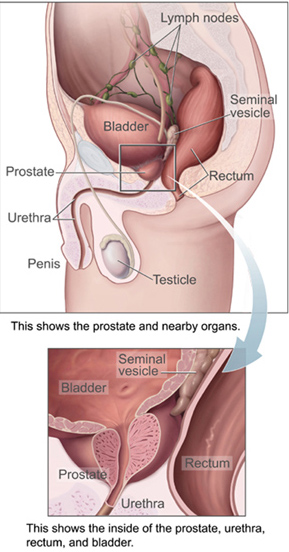
Prostate and Surrounding OrgansOne big problem is that different conditions can express themselves in similar ways. Prostatitis can cause sexual dysfunction, difficult and painful urination, pain in the perineum, testicles, bladder, and penis. These symptoms may also be caused by a number of other conditions as well. Chronic Pelvic Pain Syndrome can be caused by muscle spasms. Bladder malfunction can be caused by interstitial cystitis. Erectile dysfunction may be related to hormone or testosterone imbalances.

Yet some clinicians seem to be diagnosing prostatitis when the practitioner just doesn’t have a better answer. When there are many potential causes for pain, making the correct diagnosis becomes more difficult. As you might imagine, this can have some pretty nasty consequences. A hasty diagnosis can lead to treatments for a condition that the patient isn’t suffering from. It may not be surprising that those treatments can have negative side-effects that could have been avoided.

Since this condition can be caused by bacterial infections, antibiotics are one of the primary treatment options. One common family of antibiotics, fluoroquinolone, can have serious side effects. An FDA safety review has shown that fluoroquinolones are associated with disabling and potentially permanent serious side effects that can occur together.

According to the FDA safety announcement, “patients should contact your health care professional immediately if you experience any serious side effects while taking your fluoroquinolone medicine. Some signs and symptoms of serious side effects include tendon, joint and muscle pain, a “pins and needles” tingling or pricking sensation, confusion, and hallucinations. Patients should talk with your health care professional if you have any questions or concerns.” In other words, you only want to take these if you know they will help your pelvic pain.

So, what should you do?

If you have symptoms similar to those mentioned above, there is help and you should consult a medical professional right away. If your practitioner suggests that you may have prostatitis, double-check that the clinician has tested a sample of your urine and prostate fluid. It may also be helpful to have your level of prostate specific antigens (PSA) checked, as both prostatitis and prostate cancer can increase PSA levels.

If you are experiencing pelvic pain, you may want to go straight to the experts. Trained and certified pelvic rehabilitation practitioners may be better equipped to recognize the source of pelvic pain than a general practitioner. To find help near you, check our directory at www.pelvicrehab.com.


Sources and further reading:
https://www.prostatitis.org/
https://www.pcf.org/c/prostatitis-misdiagnosed-and-misunderstood/
https://www.fda.gov/Drugs/DrugSafety/DrugSafetyPodcasts/ucm503021.htm