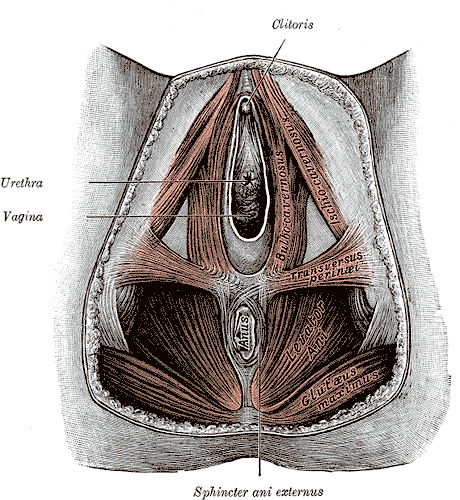
There are many conditions that can afflict the pelvis, pelvic floor muscles, and pelvic girdle. The following pelvic floor disorders affect hundreds of millions of women globally. As awareness of pelvic floor dysfunction continues to increase, the ability to find a pelvic rehab therapist becomes more important. This list is not comprehensive, and trained pelvic floor rehab therapists will be able to diagnose and treat conditions not listed here.
Diastasis Recti Abdominis
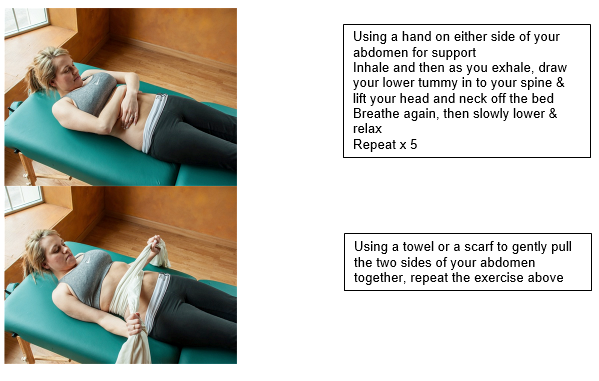
 Often colloquially called “mummy tummy”, “baby belly”, etc, diastasis recti abdominis occurs when the abdominal muscles are separated vertically, along what’s called the linea albia. Clinically you would be diagnosed with diastasis recti if you have more than 2cm of separation while doing a hook lying curl exercise.
Typically diastasis recti abdominis is the result of a growing fetus putting pressure on the abdominal muscles and causing them to separate. Of course, there are other ways that this type of pressure can happen, so we shouldn’t only associate the condition with pregnancy. While the majority of sufferers are postpartum women, DRA can also occur in men. It’s related to aging, weight fluctuations, weight lifting, or other circumstances that result in high pressure within the abdominal wall.
The condition is treatable, and women who experience diastasis recti abdominis can get pelvic rehab by finding a trained pelvic rehab practitioner.
For more, see our post “What’s the Deal with Mommy Tummy?” on The Pelvic Rehab Blog.
Vulvodynia
Vulvodynia is chronic pain in the vulva with an unknown cause. Vulvodynia can be localized to specific locations in the vulva, or it can be generalized pain that impacts the whole vulva and is more constant. Pain in the vulva can be caused by touch (prolonged sitting, tightly-fitted pants, touch, medical exams, etc.), or the pain can occur chronically without a direct stimulus.
The National Vulvodynia Association is an excellent resource for women suffering from this condition, and you can find treatment for vulvodynia on our practitioner directory on www.pelvicrehab.com.
Dyspareunia
Dyspareunia is the experience of pain while engaging in vaginal intercourse, and it occurs in at least 8% of American women by age 40. Some potential causes of vulvar pain can be infectious, inflammatory, neoplastic, neurologic, trauma, iatrogenic, or hormonal deficiencies. Vaginal pain during intercourse can be frequently misdiagnosed, making it important for women who suspect they may have dyspareunia to find a pelvic rehab practitioner who is trained to recognize the condition. More information is available in our post “Why is it hard to get treatment for painful sex?” on The Pelvic Rehab Blog.
Urinary Dysfunction
Female urinary incontinence (the unintentional loss of urine) is very common, and it is often associated with weak pelvic floor muscles. Stress Urinary Incontinence is leakage resulting from any physical activity. Oftentimes women experience leakage when coughing, sneezing, laughing, or participating in more rigorous physical activity like exercising.
Endometriosis
Endometriosis occurs when tissue that should line the inside of the uterus forms on the ovaries, fallopian tubes, and other areas outside of the uterus. Endometriosis can lead to inflammation, scar tissue and adhesion formation and myofascial dysfunction throughout the abdominal and pelvic regions, and it can cause infertility in some cases. It affects up to 15% of women of reproductive age, and the severity of symptoms can vary greatly. Because endometriosis can be difficult to diagnose, it is important to find a pelvic health practitioner who is trained to treat pelvic rehab conditions.
Dysmennorhea
Dysmennorhea is the condition of experiencing pain with menstruation, and it afflicts as much as 50% of reproductive age women. Primary dysmenorrhea is related to menstruation, and often begins within a short period of time once menses occurs, whereas secondary dysmenorrhea is often related to a condition within the reproductive tract such as endometriosis or fibroids. There is strong evidence that pain with menstruation can be diminished with pelvic rehabilitation, making it all the more important that patients are able to find a pelvic rehab clinician near them.